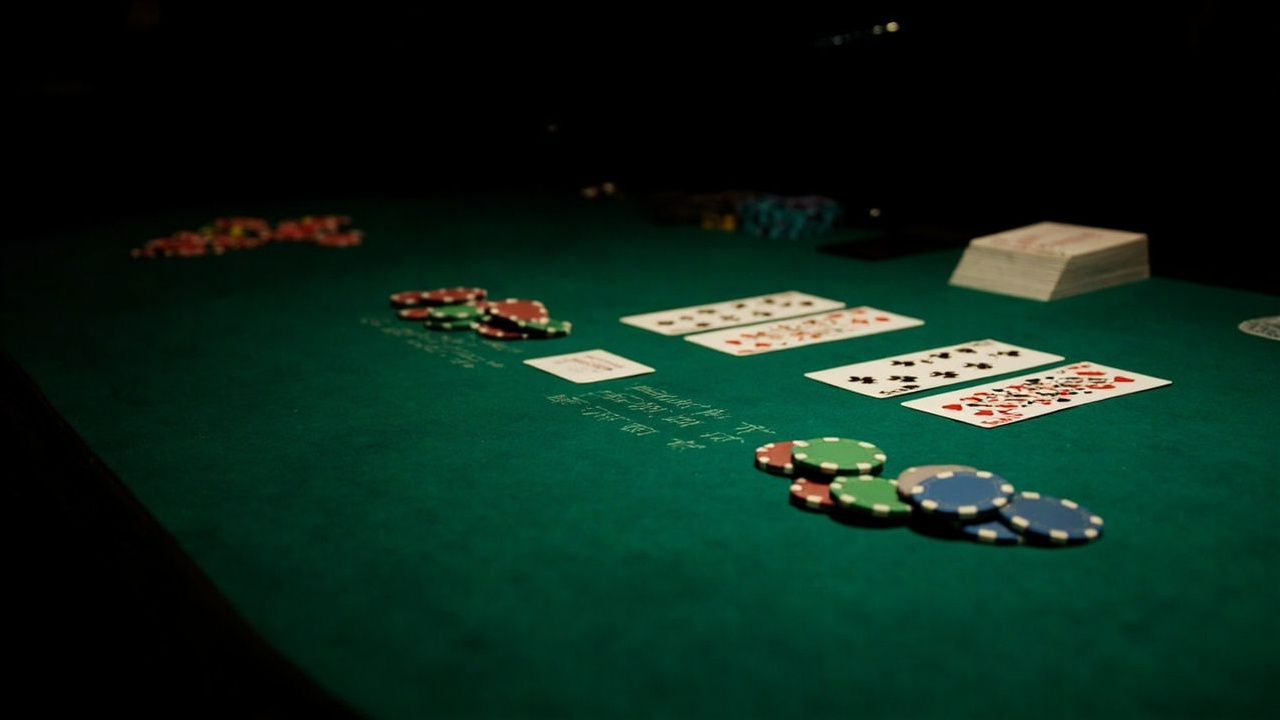
Punto Banco Strategy: Reading the Table in a Regulated Market
Australian punters chasing card-table action need a clear head, not a magic system. Most sessions here run on regulated sportsbooks or licensed casino floors where punto banco strategy is really about bankroll discipline and pace, not edge. We look at how the game actually behaves, where the house holds its mathematical grip, and which player profiles should treat it as paid entertainment rather than income.
What the Table Actually Does

Punto banco is a fixed-drawing baccarat variant, which means neither player nor banker makes meaningful decisions after the bet is placed. The rules on third-card draws are strictly scripted, so the only real lever is stake sizing and session length. Over a typical 60-hand stretch, the banker wager carries a house edge around 1.06 per cent, the player wager sits closer to 1.24 per cent, and the tie bet drifts toward 14 per cent – figures that hold steady regardless of how many arvo sessions you stack together.
That variance matters more than most marketing copy admits. A $500 bankroll can swing $80 to $120 in a single hour on normal shoes, and no betting progression smooths that out because the underlying odds never shift. Smart operators in the Australian market treat the table like a priced entertainment product: fixed stakes, clear stop-loss limits, and a hard exit point before the shoe turns cold. If you are hunting for a punto banco strategy that bends the maths, you are chasing something that does not exist; the realistic win is keeping the entertainment cost predictable.
| Feature | Detail |
|---|---|
| Game type | Fixed-drawing baccarat (punto banco) |
| House edge, banker | ~1.06% |
| House edge, player | ~1.24% |
| House edge, tie | ~14% |
| Typical stake range | $1-$25 per hand on regulated floors |
| Session planning | Fixed bankroll, pre-set stop point |
Two Player-Fit Scenarios
The disciplined recreational player
This profile treats the table as a budgeted night out, not a second income. The sensible playbook is boring on purpose: flat stakes, a written stop-loss, and a hard stop after a set number of shoes. A Geelong regular might set aside $200 for a Friday session, bet $10 per hand, and walk once the bankroll hits either $260 or $140 – whichever comes first. The point is not to outguess the shoe; it is to cap the entertainment cost and leave the venue with the night still intact.
Blake Ryan, Compliance Director, Eucalypt Digital Advisory, puts it plainly: “Fixed-drawing tables reward session discipline, not bet sizing, and any player who thinks a progression curve changes the house edge is misreading the rules.” That caveat matters because the temptation to chase a down session is exactly where recreational bankrolls get shredded.
The record-keeper who wants structure
Some punters enjoy tracking outcomes, shoe patterns, and their own win/loss log, even when the data cannot shift the edge. That is fine as a personal framework, provided the record-keeping stays a discipline aid rather than a false confidence generator. A sensible approach is to log each shoe’s result, note the actual stake, and review the ledger weekly to confirm the entertainment spend matches the budget. The value here is behavioural: a visible record makes it harder to drift into larger stakes after a short run of luck.
The trap is treating past results as a signal for the next hand. Punto banco shoes do not carry memory in any useful sense for the player, so a “cold banker streak” or a “due player win” is just a narrative layered over independent draws. Keep the log, keep the stakes flat, and treat any pattern recognition as a hobby within the session rather than a decision engine.
Linking the Strategy to Real Player Needs
The through-line for any punto banco strategy is that the game rewards restraint and punishes overconfidence. Players who want fast, low-stakes card action can fit the table into a regulated session without expecting the maths to bend. Players who want a more engaged, record-driven experience can build a personal structure around flat betting and session limits, as long as the structure stays a guardrail and not a prediction tool.
For anyone comparing venues or platforms, the practical question is whether the operator supports disciplined play: clear stake limits, readable rules, and a pace that lets you stick to your plan rather than rush it. That is where a reputable Australian-facing option like https://playcasoola.org/au/ earns its place in the conversation, because the session design matters more than any supposed system when the edge is fixed.

The verdict is straightforward: treat punto banco as a priced card game with a small, stable house edge, set your bankroll before the first hand, and walk away when the limit hits. No progression turns a 1 per cent edge into a player advantage, and the only reliable win is keeping the session cost under control. What’s your own rule for walking away from a table session – do you set a fixed stop point, or do you let the shoe decide?